

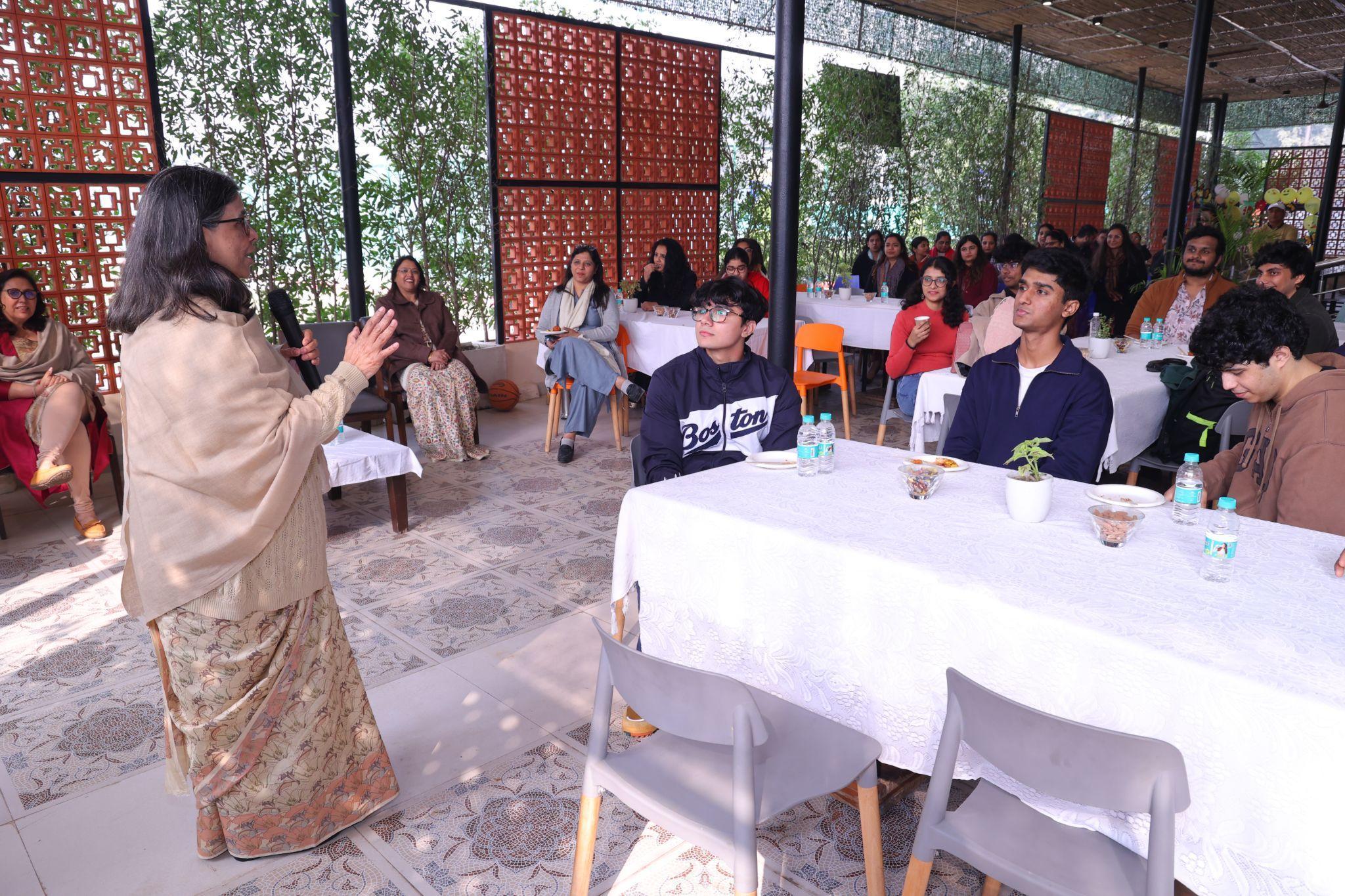
As the K-12 education India sector continues to evolve, institutions are increasingly focusing on academic excellence, scalability, and future-ready education models to stay competitive. Billabong High International School, Noida, has emerged as a strong example of this shift, positioning itself as a progressive education India institution through a strategic blend of innovation, digital learning, and student-focused frameworks under the leadership of Sharmila Chatterjee.
In a market where parents are actively seeking student-centred learning and global exposure for their children, schools are required to function as dynamic ecosystems rather than traditional academic spaces. At Billabong High International School, Noida, this transformation is reflected in its adoption of digital learning in schools, inquiry-driven pedagogy, and a strong focus on 21st century skills education.
Strengthening a Future-Ready Education Model
A key driver of the institution’s growth has been its emphasis on building a scalable and adaptable academic model aligned with global education standards. By integrating innovative teaching methods in Noida and technology-enabled learning, Billabong High International School, Noida, is responding effectively to the demands of a rapidly changing education landscape.
This approach is also in line with broader NEP education reforms, which highlight the importance of experiential learning, flexibility in curriculum, and skill-based education. The institution’s ability to incorporate these elements strengthens its position among top international schools in Noida, appealing to modern, quality-conscious parents.
Additionally, the school’s focus on holistic development in schools ensures that students are equipped not only with academic knowledge but also with essential competencies such as critical thinking, creativity, communication, and collaboration skills crucial for success in a global economy.
Academic Excellence as a Core Business Pillar
In an increasingly competitive education market, maintaining consistent academic outcomes remains a key differentiator. Billabong High International School, Noida, has prioritised structured curriculum development, quality benchmarks, and performance-driven frameworks to deliver strong academic results.
The institution’s investment in teacher training in India and curriculum innovation further strengthens its academic ecosystem. By aligning teaching methodologies with evolving student needs, the school ensures sustained excellence while remaining adaptable to future trends.
This combination of academic rigour and progressive pedagogy enables the institution to build long-term credibility and trust among stakeholders, reinforcing its standing in the CBSE education India ecosystem.
Building a Strong Institutional Culture
Beyond academics, creating a conducive and engaging learning environment has become essential for institutional success. BHIS Noida focuses on fostering an inclusive learning environment in Noida where students feel encouraged to explore, innovate, and express themselves.
This emphasis on culture and environment contributes significantly to student outcomes and retention, while also enhancing the school’s reputation as a forward-thinking educational institution. It reflects a broader industry trend where emotional well-being and engagement are integral to future-ready schools in India.
Leadership Driving Institutional Transformation
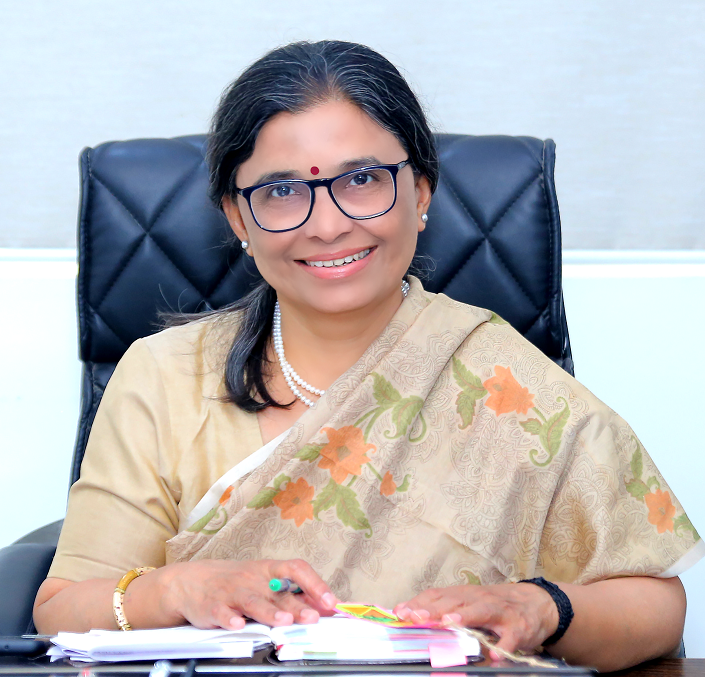
At the centre of this growth story is Ms. Sharmila Chatterjee, whose leadership combines over three decades of experience in education with strong strategic insight. With more than 20 years in senior leadership roles, she has played a key role in shaping institutional frameworks that support both academic excellence and innovation.
An alumna of the Strategic Leadership for Schools programme at IIM Ahmedabad, Ms. Chatterjee brings expertise in curriculum reform, policy development, and school quality management. Her approach to education leadership in India focuses on aligning institutional goals with emerging global trends while maintaining strong academic foundations.
Championing Student-Centred Learning
Ms. Chatterjee strongly advocates for student-centred learning, where education goes beyond textbooks to focus on curiosity, exploration, and independent thinking. Her leadership has ensured that classrooms evolve into interactive spaces supported by digital learning tools and modern pedagogy.
As a CBSE Master Trainer in Life Skills, she has also emphasised the integration of emotional intelligence, ethics, and resilience into everyday learning. This focus ensures that students develop into well-rounded individuals capable of navigating complex social and professional environments.
Empowering Educators and Driving Innovation
Recognising the importance of educators in delivering quality education, Ms. Chatterjee has prioritised continuous professional development through structured teacher training India programmes. She encourages a culture where teachers are empowered to innovate, collaborate, and adopt new teaching practices.
Her leadership acknowledges the changing nature of learners, who are increasingly digital-first, curious, and globally aware. By equipping educators with the right tools and training, she ensures that the institution remains aligned with evolving expectations in progressive education in India.
Collaborative Leadership and Policy Contributions
Another defining aspect of Ms. Chatterjee’s leadership is her emphasis on collaboration and inclusivity in decision-making. By engaging with educators, parents, and students, she fosters a participatory model that supports sustainable growth and effective change management.
Beyond the institution, she has contributed to national-level education initiatives, including CBSE committees and the School Quality Assessment and Assurance (SQAA) pilot programme. Her involvement in these initiatives reflects her commitment to strengthening educational quality standards in India and to supporting policy frameworks aligned with the NEP.
Conclusion
As the Indian education ecosystem continues to shift towards innovation, inclusivity, and scalability, institutions that can successfully integrate these elements are emerging as leaders. Billabong High International School, Noida, stands out as a strong example of how academic excellence, future-ready education, and strategic leadership can drive institutional growth.
Under the leadership of Sharmila Chatterjee, the school continues to build a robust, progressive educational model that balances academic rigour with holistic development. By focusing on student-centred learning, digital transformation, and continuous innovation, the institution is preparing students to thrive in a global, technology-driven future while reinforcing its position as a key player in K-12 education India.
